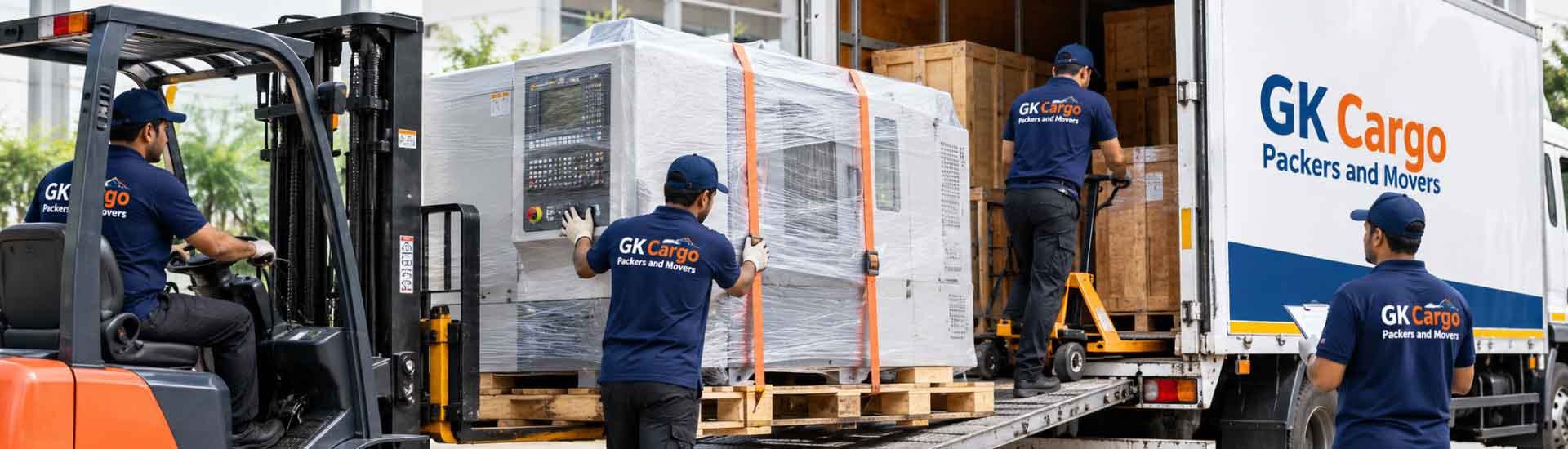

How to Transport Heavy Industrial Equipment Safely
Transporting heavy industrial equipment requires careful planning, specialised handling, and proper safety measures. Whether transferring machinery to a different factory or setting up equipment at a new location, poor handling or minor errors can lead to costly repairs, operational disruptions, and avoidable delays. Following the right procedures helps protect workers, machinery, and transportation vehicles.
1. Plan the Transportation Process
Before moving any industrial equipment, assess its weight, dimensions, condition, and handling requirements. Develop a clear relocation strategy covering equipment loading procedures, transport timelines, and the necessary tools and personnel at the pickup and delivery sites.
Businesses searching for the best packers and movers in Kolkata should choose a service provider with experience in handling heavy machinery and commercial relocations.
2. Choose Suitable Lifting Equipment
Heavy machinery should be handled using appropriate cranes, forklifts, hoists, and other lifting tools. The equipment must have sufficient capacity for the load, and trained professionals should supervise lifting activities. Inspect chains, slings, hooks, and other rigging components before use. Damaged equipment or unsuitable lifting methods can increase the risk of accidents.
3. Secure Machinery Properly
Before transportation, disconnect power supplies where necessary and secure loose components. Use suitable restraints, chains, and protective materials to prevent the machinery from shifting during transit. The load should be distributed evenly across the vehicle, with secure attachment points selected according to the equipment manufacturer’s recommendations. Recheck the restraints before departure and during the journey as appropriate.
4. Select the Right Transport Vehicle
The vehicle should accommodate the equipment’s weight and dimensions while maintaining safe load distribution. Oversized machinery may require specialised trailers, route assessments, and relevant transport permissions. Before departure, check the vehicle, restraints, and loading arrangement.
Companies looking for the top 10 packers and movers should compare industrial moving experience, safety procedures, equipment availability, insurance options, and customer feedback instead of relying on rankings alone.
5. Protect Equipment During Relocation
Dust, moisture, vibration, and sudden impacts can affect sensitive machinery. Use appropriate protective covers and packaging to reduce exposure during transit. Plan the route carefully, considering road conditions, overhead clearances, and access restrictions.
These precautions are equally important when coordinating an office shifting service in Kolkata for businesses with computers, electrical systems, and specialised office equipment. A reliable office shifting service can also help organise commercial assets, while a home shifting service in Kolkata is suitable for household relocation requirements.
6. Inspect the Equipment After Delivery
Once the machinery reaches its destination, unload it carefully and place it on a suitable, stable surface. Check for visible damage, loose components, or signs of movement during transit. Qualified technicians should reconnect and test the equipment before it returns to operation.
For more useful relocation advice, read our previous blog,“10 Common Office Moving Mistakes and How to Avoid Them,” to understand how proper planning and organisation can help prevent common moving problems.
Frequently Asked Questions
- Why is professional help important for transporting industrial equipment?
Experienced professionals help manage every stage of the move by using proper lifting techniques, stabilising equipment during loading, selecting suitable transport vehicles, and maintaining safe handling practices until delivery. - How can I prepare machinery for transportation?
Review the manufacturer’s instructions, disconnect utilities when required, secure movable parts, document the equipment’s condition, and arrange suitable packing and lifting support. - How do I choose reliable packers and movers in Kolkata?
Check industrial moving experience, safety practices, equipment availability, insurance terms, customer reviews, and a written quotation. - Can ordinary office movers transport heavy industrial machinery?
Not always. Industrial equipment may require specialised vehicles, lifting systems, trained riggers, and specific load-securing methods. - How can I reduce the risk of damage during transit?
Use suitable protective packaging, secure the load correctly, choose an appropriate route, and inspect the machinery after delivery.
